I. Introduction to Layering Lights with LED Strips
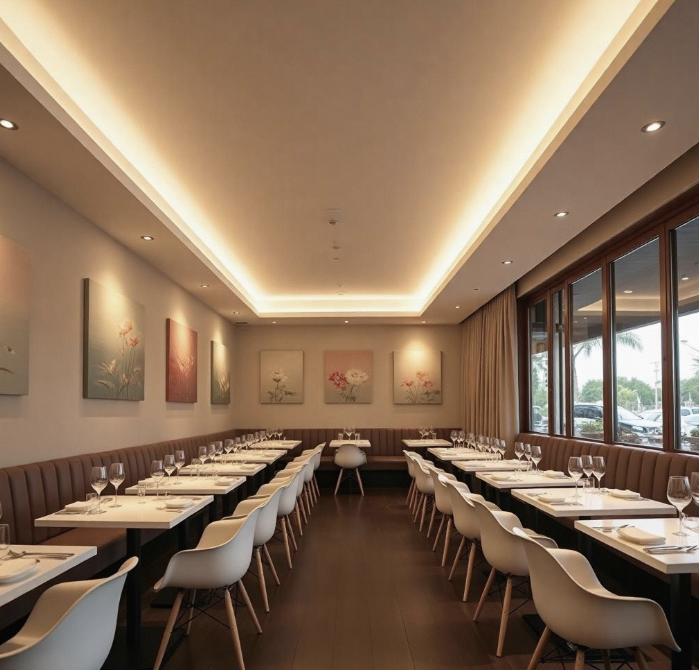
Layered lighting has become a cornerstone of modern interior design, offering a blend of functionality and aesthetics. Among the most versatile tools for achieving this effect are LED-nauhavalot, which excel at creating soft, diffused illumination while avoiding the harshness of single-point lighting.
Why Use LED Strips for Layered Lighting?
-
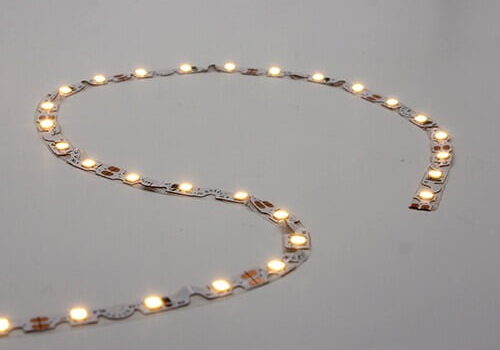
- Monipuolisuus: Install in tight spaces, curved surfaces, or irregular layouts.
-
- Energiatehokkuus: Consume up to 80% less energy than traditional bulbs.
-
- Räätälöinti: Adjust brightness, color temperature, and dynamic effects (e.g., RGB color-changing).
-
- Ambiance Creation: Soft, indirect lighting reduces glare and creates a cozy atmosphere.
II. Common Concerns and Solutions
1. Installation Challenges
Issue: Installing LED strips discreetly (e.g., behind bookshelves, walls, or artwork) without visible wiring.
Solutions:
-
- Hidden Installation Techniques:
-
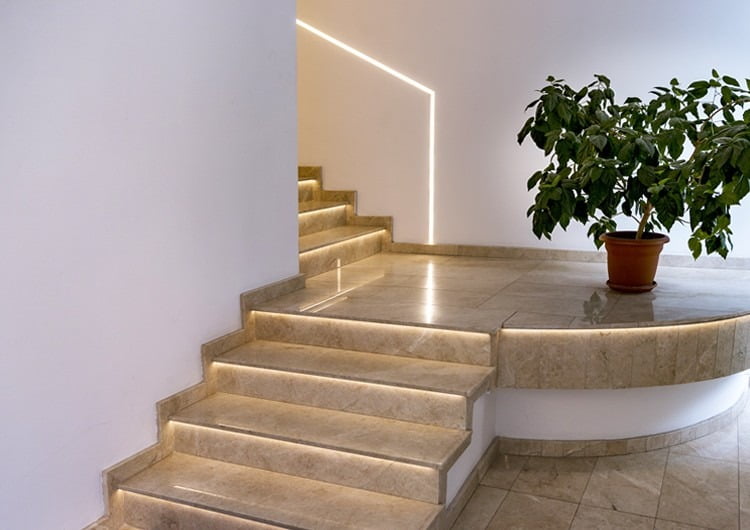
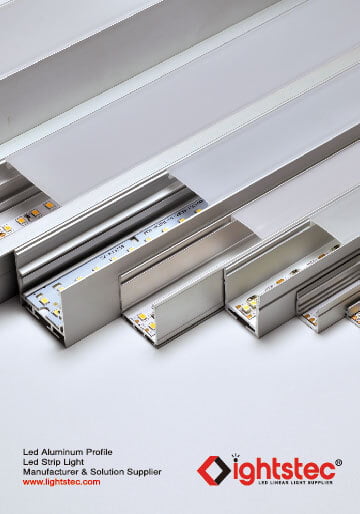
- Käyttää U-shaped aluminum channels to conceal strips and diffuse light.
-
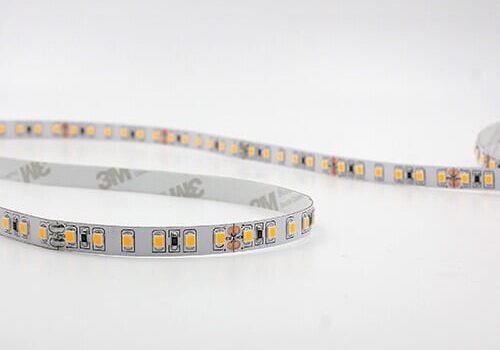
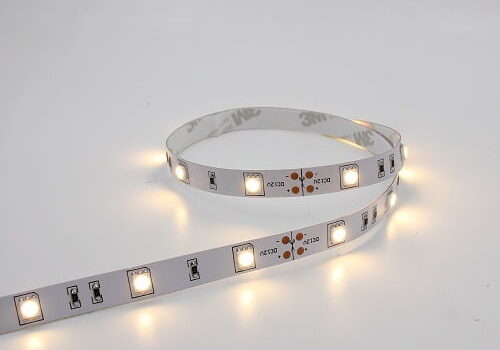
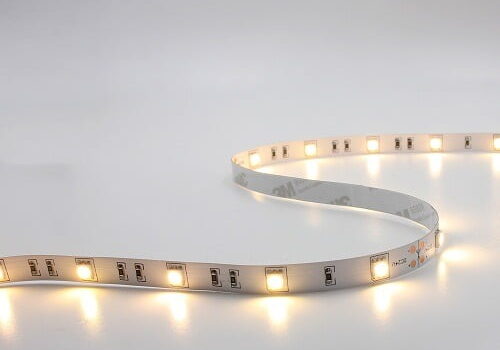
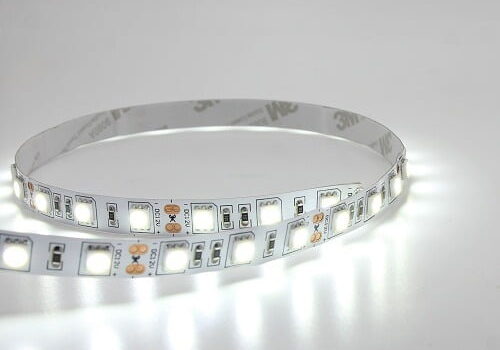
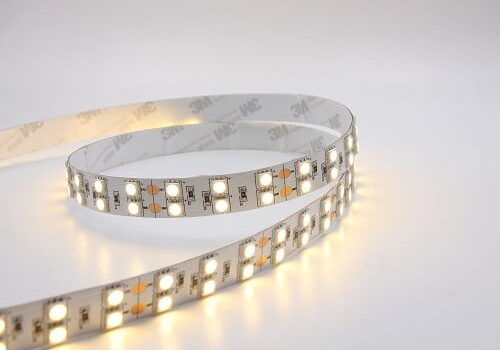
- Opt for adhesive-backed strips with industrial-grade 3M tape.
-
- Secure strips in recessed areas using magnetic tracks.
-
- Pro Tip: Create a layout blueprint to avoid gaps or overlapping light zones.
2. Brightness and Color Consistency
Issue: Inconsistent brightness or color temperatures between layers.
Solutions:
-
- Uniform Light Distribution:
-
- Angle strips at 45–60 degrees toward reflective surfaces (e.g., walls).
-
- Käyttää high-CRI (90+) strips for accurate color rendering.
-
- Dimming Controls:
-
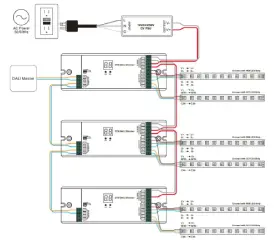
- Pair with smart dimmers or DMX controllers for precise adjustments.
-
- Select strips from the same production batch for color consistency.
3. Safety and Heat Management
Issue: Overheating risks in enclosed spaces.
Solutions:
-
- Lämmön hajoaminen:
-
- Install strips on aluminum profiles (heat sinks) instead of PVC channels.
-
- Käyttää active cooling (e.g., small fans) for high-power strips (>14W/m).
-
- Safety Checks:
-
- Valita IP65/IP67-rated strips for humid areas.
-
- Inspect connections regularly for exposed wires or adhesive failure.

4. Power and Electrical Load
Issue: Overloaded circuits or voltage drop.
Solutions:
-
- Power Supply Sizing:
-
- Calculate total wattage:
Total Length (m) × Wattage per Meter × 1.2 (safety buffer).
- Calculate total wattage:
-
- Käyttää 60W/100W/200W drivers based on load requirements.
-
- Voltage Drop Mitigation:
-
- For runs >5 meters, inject power from both ends or use 24V strips.
-
- Add signal amplifiers for RGB/RGBW strips in long installations.
5. Durability and Maintenance
Issue: Premature fading, flickering, or failure.
Solutions:
-
- Quality Selection:
-
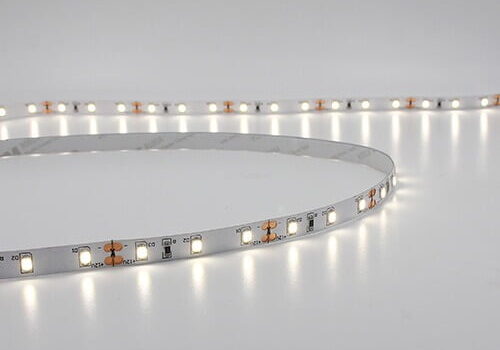
- Valita copper-clad PCB strips for better conductivity.
-
- Opt for IP68 silicone-coated strips for outdoor/high-moisture areas.
-
- Maintenance Routine:
-
- Clean strips every 3–6 months with a dry microfiber cloth.
-
- Replace failing segments using solderless connectors.
III. Creative Applications
1. Ambient Lighting
Transform living spaces with indirect illumination:
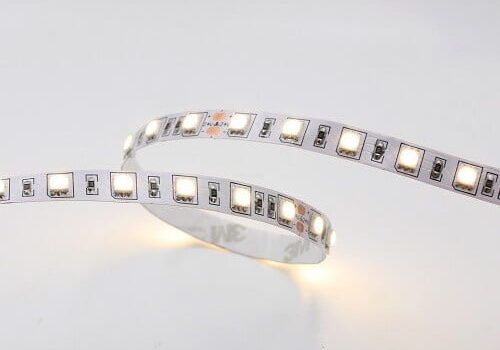
- Ceiling Coving: Use warm-white strips (2700K–3000K) for a "floating ceiling" effect.
- Under-Bed Lighting: Install dimmable strips for nighttime pathways.
2. Decorative Lighting
Highlight architectural or artistic elements:
- Bookshelf Accents: Add RGB strips behind shelves for dynamic color.
- Artwork Illumination: Frame paintings with low-profile, high-CRI strips.
3. Smart Home Integration
Enhance convenience and energy efficiency:
- Voice/Automation Control: Sync with Google Home, Alexa, or Apple HomeKit.
- Scene Setting: Program presets like "Movie Night" (dimmed amber) or "Morning Wake-Up" (cool white).
IV. FAQs & Practical Tips
Q1: What’s the best technique for highlighting trees?
- A: Use uplighting with 3000K LED floodlights at the base. For added drama, pair with water reflections.
Q2: Which fixtures are best for pathways?
- A: Bollard lights tai solar-powered LED strips (IP65+) for even illumination.
Q3: How do I choose between warm and cool lighting?
- A: Warm tones (2700K–3000K) for gardens; cool tones (4000K+) for security or commercial spaces.
Q4: What voltage is safest for outdoor lighting?
- A: 12V systems are low-risk and ideal for DIY projects. Lightstec offers plug-and-play kits.
Q5: How do I maintain LED landscape lights?
- A: Clean lenses annually, check wiring for corrosion, and replace drivers every 5–7 years.

Tietoja kirjoittajasta
JerryHu
Lightstecin perustaja.Insinööritutkinto.Yli 13 vuoden työkokemus led-valaistusliiketoiminnasta.Olen perehtynyt led-valaistustuotteiden valmistukseen.Tämä blogi jakaa sinulle tietoa ja ratkaisuja led-valaistuksesta.Tervetuloa led-valojen hankintaan Kiinasta.
Opi lisää ammattimaisia Led-tunteja, joista vähemmän ihmiset kertovat sinulle ennen kuin teet virheen.